
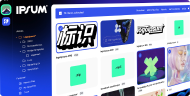



One source of truth for a family of brands.
For enterprise organizations, brand complexity isn’t theoretical. It's expensive.
Every additional brand, region, acquisition, or agency introduces more systems, more permissions, more duplication, and more risk. The Multi-Brand Dashboard consolidates that complexity into one governed operational brand infrastructure, giving large teams one source of truth to manage brand infrastructure at scale, without breaking ownership models or existing workflows.
From single dashboard, teams can:
-
Instantly switch between brands and sub-brands while preserving permissions, structure, and context
-
Maintain clear hierarchies across portfolios that include acquisitions, regional entities, and business units
-
Enforce shared standards where consistency is required, while allowing controlled variation where markets need flexibility
-
Eliminate duplicated work, scattered portals, and manual handoffs—reducing operational overhead without slowing creative execution
What this changes in practice
-
Brand teams move from gatekeepers to system owners, spending less time on approvals and more time on strategic governance
-
Agencies and partners execute faster, with clear boundaries and fewer misalignment loops
-
Portfolio-level visibility becomes possible, without micromanaging individual teams or markets
Core Impact:
Lower operational cost, faster brand rollouts, reduced risk of misuse, and less dependency on central brand teams.
Studio Collaborator Role
The Multi-Brand Dashboard introduces a new user role: Studio Collaborator.
This role is designed for enterprise brand teams, agencies, and strategic partners who operate across multiple brands and need speed without overexposure.
Studio Collaborators can:
-
Edit content across all brands from a single role
-
Create new brand projects when required
-
Work without duplicated accounts, shared logins, or permission hacks
What this replaces:
Manual access management, inconsistent permissions, and fragile workarounds that don’t scale.
Core Impact:
Faster onboarding, fewer access errors, reduced admin time, and cleaner accountability between ownership and execution.
Brand Hub Page
The Brand Hub has its own dedicated place in the dashboard and acts as a custom landing layer for your entire brand environment.
It allows enterprise teams to:
-
Build a fully custom Brand Hub landing page for the entire brand or business infrastructure
-
Guide stakeholders directly to the right brands, sections, and resources
-
Add onboarding context, usage instructions, or compliance guidance upfront
Instead of dropping users into complex brand systems, the Brand Hub creates a clear, intentional entry point—designed for scale.
Or make use of an on-brand brand switcher on the left of the sidebar, which stays visible across all of the brands. From there, users can quickly switch between brands, sub-brands, and projects without leaving context. This creates continuous navigation experience that keeps stakeholders oriented, productive, and moving through the brand ecosystem with confidence
Core Impact:
-
Fewer support requests
-
Less misusage of assets and guidelines
-
Faster onboarding for internal teams, partners, and agencies
The Bottom Line
The Multi-Brand Dashboard isn’t about organizing brands.
It’s about reducing the cost of managing them—while increasing speed, clarity, and control.
More about enterprise solutions here.